百花潭公园这趟不用抢:门票 0 元,不预约,地铁 5 号线青羊宫站 C 口出来走六百米就到。园里那棵唐代银杏树龄约 1300 年,2023 年成都市植物园给它做体检,实测树高 11.2 米、胸径 2.2 米、冠幅 11.4 米。带娃来,两个半小时够用,真正值得排的只有三处:银杏广场、磊园瀑布、慧园。
先说清楚位置关系,免得走错门。百花潭公园在浣花溪南岸,隔壁是青羊宫和杜甫草堂,一街之隔是人民公园。占地约 135 亩,不大,一圈走下来不用一小时——真正的看点在四棵树、一道瀑布和一座院子。
一、先给结论:七个数字
| 项目 | 数据 |
|---|
| 门票 | 0 元,无需预约 |
| 开放 | 公园全天可进(园门公告:夏季 6:00–22:00、冬季 6:30–21:30);慧园展厅 9:00–17:00,周一闭馆 |
| 地址 | 青羊区芳邻路 5 号;导航到「百花潭公园」,四个门都能进 |
| 古银杏 | 树龄约 1300 年,树高 11.2 米,胸径 2.2 米 |
| 磊园瀑布 | 11 米高,下方溶洞长 10 余米 |
| 地铁 | 5 号线/13 号线青羊宫站 C 口,步行约 600 米 |
| 带娃时长 | 2–3 小时 |
门票免费这一条是实打实的便宜。同一个下午,隔壁杜甫草堂 50 元、武侯祠 50 元,百花潭一分不收。
二、白果大仙:一棵被火烧过、被雷劈过的树
园里这棵唐代银杏有雅号,叫「白果大仙」。它不是原生的,1980 年 12 月从阿坝州汶川县漩口镇胜因寺遗址整体迁过来,土球直径 4.5 米,当年运进成都费了不少事。
它的经历比树形更值得讲:明末遭火焚,清初遭雷击,树干基本中空,只剩外圈撑着;朝南那一侧至今留着雷击后的炭黑色,看得见。树桩形似一只手掌,坐北朝南。
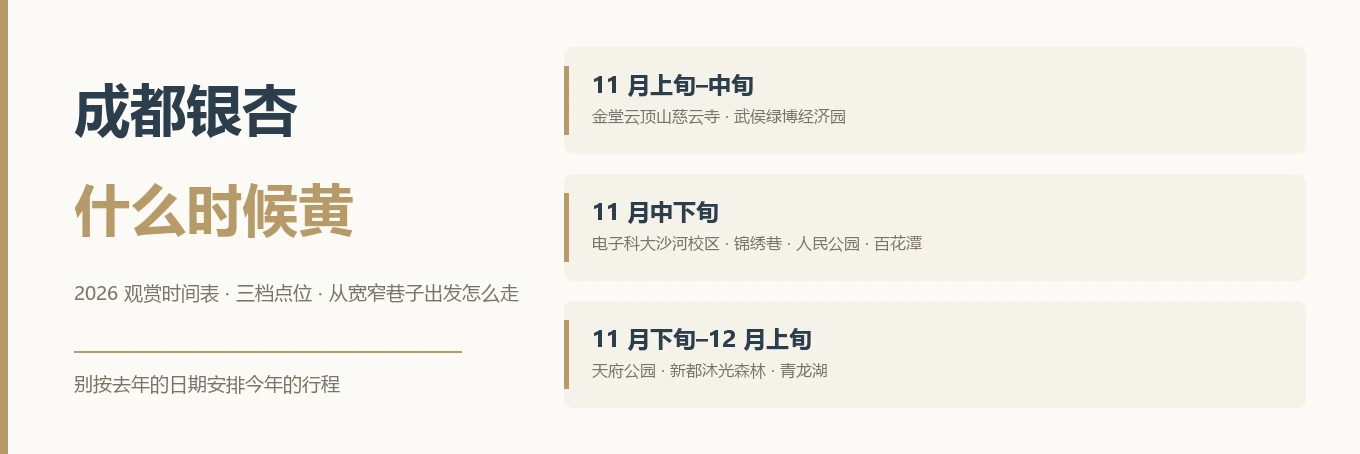
位置在银杏广场,从北门(芳邻路一侧)进来直走就到,围着一圈护栏,旁边立着刻「唐代银杏」四个字的石碑。11 月中下旬到 12 月初满树金黄,落叶铺满广场,就是它一年里最好看的两周。
三条提醒。围栏内不能进,树是活的文物;别摇枝、别折叶,落叶拍完照留在原地;树下的白果别让孩子捡着吃,生白果有微毒,外皮汁液沾手会痒。
三、另外三处:11 米瀑布、千盆盆景、巴金的院子
磊园。11 米高的人工瀑布,仿九寨沟诺日朗瀑布修的,水幕后面藏着一条 10 余米长的溶洞,洞里有钟乳石。这是全园孩子密度最高的地方——能钻洞、能看水、能绕着假山跑。
要提醒一句:瀑布不是全天放水。多方实地记录都提到中午前后才开、下午三点左右停,具体时段以现场为准。专程为瀑布来的,别把它排在早上一进门,也别排在傍晚。
川派盆景园。占地 4600 平方米,近千盆山水盆景和树桩盆景,白墙当背景,一盆一景。人少、安静、路面平,推车能走,是园里最适合拍照又不用排队的角落。
慧园。以巴金《家》里高家大院为蓝本建的著作园林,占地 26.5 亩,清末民初川西民居样式,白墙黛瓦、雕花木窗、天井回廊。陈列室里有巴金的手稿、书籍和实物三百多件,当年的建筑模型由巴金本人审阅过。
慧园开放 9:00–17:00,周一闭馆。这一条每年都有人踩,专程来看巴金陈列的,别把行程排在周一。
四、带娃半日动线:两个半小时走完
| 时间 | 位置 | 做什么 |
|---|
| 09:30 | 西门(芳邻路)进 | 先逛川派盆景园,人最少 |
| 10:15 | 银杏广场 | 看白果大仙,拍落叶 |
| 11:00 | 磊园 | 钻溶洞、看瀑布,接上放水时段 |
| 11:45 | 慧园 | 看巴金陈列,室内歇脚 |
| 12:30 | 出园 | 步行 5 分钟到青羊宫,或回市区吃午饭 |
这条动线的逻辑很简单:上午光线斜射打树顶,银杏广场出片;瀑布中午才放水,正好接在银杏后面;慧园是室内,走累了进去歇,孩子也待得住。倒过来走会撞上两件事——上午到磊园没水,下午到银杏广场逆光。
五、怎么去:四个门,四条路
公园地址是青羊区芳邻路 5 号,南门、北门、西门、东门都在这一片,导航直接搜「百花潭公园」就行。带娃优先走西门——离地铁最近,进门就是盆景园。一环路西二段 175 号那个口是停车场入口,别当成园门。
地铁,推荐。5 号线青羊宫站 C 口出,往西走约 600 米到西门,七八分钟,全程平路,推车不受罪。13 号线 2025 年 12 月开通后也停青羊宫站,两条线同一个站,换哪条都行。
公交。青羊宫站有 11、27、34、35、42、58 路;百花潭公园站有 35、151、165 路,下车走几步就到。
自驾。南门和西门都有停车场,但车位很少。周末和节假日不建议开车来,周边停车基本靠运气。
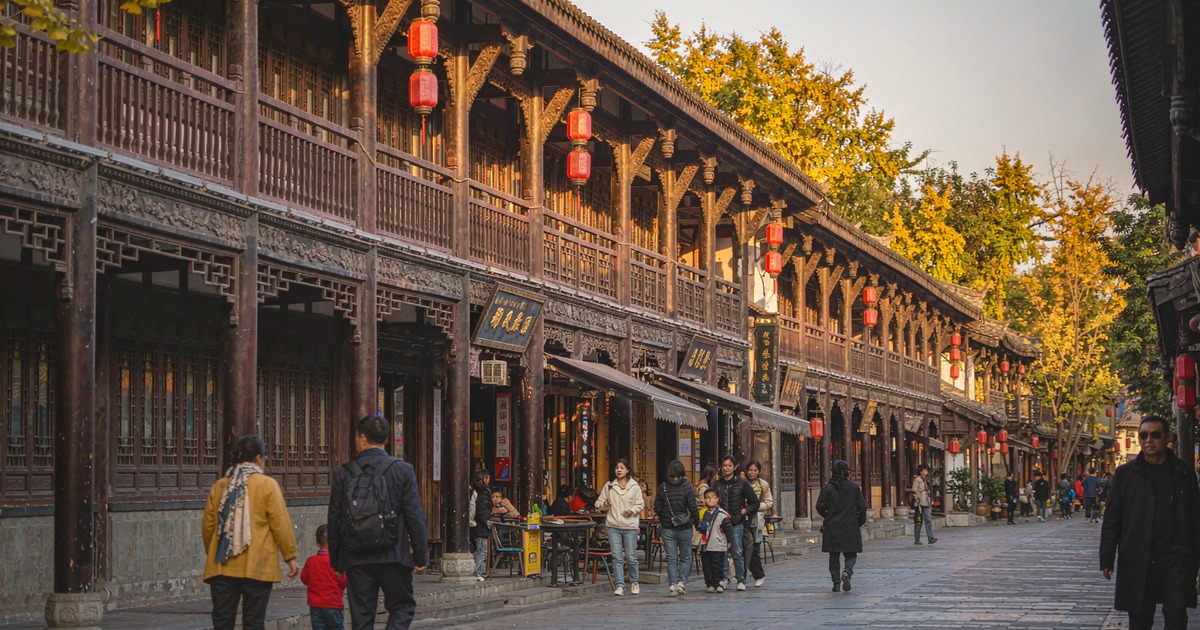
从宽窄巷子这边过去。酒店在永陵路 18 号,出门走 460 米到地铁 5 号线抚琴站 C1 口,上车过中医大省医院,第 2 站青羊宫下车,C 口出。全程不换乘,连走带坐二十五分钟。比自己开车省心,也不用找车位。
六、五个坑,提前说
① 瀑布定时放水。上午到磊园很可能没水,看到的是青苔假山。想拍水景,把磊园排在中午。
② 慧园周一闭馆。只关展厅,院子外部还能看,但巴金陈列看不到了。
③ 白果别吃。地上掉的生白果有微毒,孩子捡着玩可以,别往嘴里放;外皮汁液沾手会痒,回酒店前洗手。
④ 湖边蚊虫多。11 月也有,尤其水边和仿古建筑背阴处,驱蚊液带上。
⑤ 周末车位紧张。南门、西门停车位都少,节假日门口经常排队等位。带娃出门,地铁比开车稳。
七、看完银杏,下午怎么接
中午出园有三个走向,看孩子还有没有电。
还有电:步行 5 分钟到青羊宫,川西第一道观,逛四十分钟;或者步行 15 分钟到杜甫草堂,50 元门票,能待两小时。
快没电了:直接回酒店。永陵路 18 号那边,5 号线两站到抚琴站,C1 口出 460 米,娃在推车上就能睡着,回房补一觉。
睡醒了:下午四点再出门,宽窄巷子步行约 10 分钟,奎星楼街步行十多分钟,抚琴夜市就在楼下。银杏看完接一顿串串,这一天才算完整。
八、把信息列出来,方便核对
百花潭公园:成都市青羊区芳邻路 5 号,门票 0 元,无需预约,地铁 5 号线/13 号线青羊宫站 C 口步行约 600 米。唐代银杏树龄约 1300 年,树高 11.2 米,胸径 2.2 米;磊园瀑布高 11 米;慧园 9:00–17:00,周一闭馆。
酒店地址:成都市金牛区西安路街道永陵路18号。客房约 100 间,8 种房型。入住 14:00,退房 12:00,可申请延时至 14:00。自助早餐 7:00–10:00,25 元一位。预订电话 028-60786899。到宽窄巷子步行约 10 分钟,到奎星楼街步行十多分钟,到地铁 5 号线抚琴站 C1 口 460 米。
九、关于百花潭看银杏,五个常见问题
问:百花潭的银杏什么时候黄?答:市区这一批通常在 11 月中下旬进入观赏期,能维持到 12 月初。每年差一到两周,取决于当年降温的时间。判断办法是搜当天发布的实拍图,看拍摄日期。
问:要门票吗?要预约吗?答:都不要。门票 0 元,不预约,直接进。
问:带孩子从哪个门进?答:西门(芳邻路)。地铁 C 口出来走六百米就到,进门先是盆景园,路平,推车好走。
问:园里能待多久?答:带娃两个半小时到三小时够。只走核心四点(盆景园、银杏广场、磊园、慧园),不含喝茶时间。
问:周一能去吗?答:公园能进,但慧园展厅周一闭馆,巴金陈列看不到。专程为慧园来的,换一天。
树什么时候黄,取决于你来的是哪一周,不取决于攻略写的日期。这篇可以先收藏,出发前一天再看一遍。
Baihuatan Park asks nothing of you: no ticket, no booking. Exit C of Qingyanggong station on Metro Line 5 puts you about 600 metres from the west gate. The Tang-dynasty ginkgo inside is roughly 1,300 years old; a 2023 health survey by the Chengdu Botanical Garden measured it at 11.2 m tall with a trunk diameter of 2.2 m and a crown spread of 11.4 m. With a child, two and a half hours covers everything worth seeing: the ginkgo square, the Leiyuan waterfall and the Hui Garden.
1. Seven numbers
| Item | Detail |
|---|
| Admission | Free, no booking |
| Hours | Park open all day (posted 06:00–22:00 summer, 06:30–21:30 winter); Hui Garden 09:00–17:00, closed Mondays |
| Address | No. 5 Fanglin Road, Qingyang District |
| Ancient ginkgo | About 1,300 years old, 11.2 m tall, 2.2 m trunk diameter |
| Leiyuan waterfall | 11 m high, cave behind it over 10 m long |
| Metro | Line 5 or 13, Qingyanggong Exit C, about 600 m on foot |
| Time needed | 2–3 hours with children |
Free admission is a real saving: the Du Fu Thatched Cottage next door charges CNY 50 and the Wuhou Shrine the same.
2. The "White Fruit Immortal": a tree that survived fire and lightning
The ginkgo carries a nickname, Baiguo Daxian. It is not native to this spot: in December 1980 it was moved whole from the Shengyin Temple site in Xuankou, Wenchuan, with a root ball 4.5 m across.
Its history matters more than its shape. Burned in the late Ming, struck by lightning in the early Qing, the trunk is largely hollow and held up by its outer shell. The charred black scar from that strike is still visible on the southern side. The stump is shaped like an open hand, facing south.
You will find it on the ginkgo square, straight ahead from the north gate on Fanglin Road, inside a railing with a stone tablet reading "Tang Dynasty Ginkgo". It turns gold from mid-to-late November into early December — the two best weeks of its year.
Three rules. Stay outside the railing; the tree is a living relic. Do not shake branches or pick leaves. And do not let children eat the fallen seeds: raw ginkgo seeds are mildly toxic, and the flesh around them irritates skin.
3. Three more stops
Leiyuan. An 11 m artificial waterfall modelled on Nuorilang Falls in Jiuzhaigou, with a cave more than 10 m long behind the water. This is where every child in the park ends up: crawling through the cave, watching the water, running around the rockery.
One warning: the waterfall does not run all day. Multiple first-hand accounts put the water on around midday and off by mid-afternoon; confirm on site. Do not make it your first stop in the morning or your last in the evening.
The Sichuan bonsai garden. 4,600 square metres, close to a thousand landscape and stump bonsai against white walls. Quiet, flat, stroller-friendly, and the one corner of the park where you can photograph without waiting for a gap.
Hui Garden. Built on the Gao family compound from Ba Jin's novel Family, 26.5 mu, late-Qing and early-Republic Sichuan architecture with white walls, carved wooden windows and a courtyard. The exhibition rooms hold more than 300 items — manuscripts, books and objects — and Ba Jin personally reviewed the architectural model.
Open 09:00–17:00, closed Mondays. Visitors come every year expecting otherwise.
4. A half-day route with children
| Time | Where | What |
|---|
| 09:30 | West gate, Fanglin Road | Bonsai garden first, fewest people |
| 10:15 | Ginkgo square | The ancient tree, fallen leaves |
| 11:00 | Leiyuan | Cave and waterfall, timed with the water |
| 11:45 | Hui Garden | Exhibits, indoors, a rest |
| 12:30 | Exit | Five minutes on foot to Qingyang Palace, or lunch |
The logic is simple: morning light hits the canopy at an angle, so the ginkgo square photographs best; the waterfall only runs from midday, which fits right after; Hui Garden is indoors, where tired legs recover. Walked in reverse, you get a dry waterfall in the morning and backlit trees in the afternoon.
5. Getting there: four gates, four options
The park address is No. 5 Fanglin Road. All four gates — south, north, west and east — sit in this block, so simply navigate to "Baihuatan Park". With a child, use the west gate: closest to the metro, and the bonsai garden is straight inside. The entrance at No. 175 West Section 2, First Ring Road is the car park, not a pedestrian gate.
Metro, recommended. Qingyanggong Exit C on Line 5, about 600 m west to the west gate, seven to eight minutes, flat the whole way. Line 13, opened in December 2025, also stops at Qingyanggong — same station, either line works.
Bus. Routes 11, 27, 34, 35, 42 and 58 stop at Qingyanggong; 35, 151 and 165 stop at Baihuatan Park.
Driving. Both the south and west gates have car parks, and both are small. At weekends and on public holidays, do not count on a space.
From Kuanzhai Alley. The hotel is at No. 18 Yongling Road. Walk 460 m to Exit C1 of Fuqin station on Line 5, ride two stops, alight at Qingyanggong and take Exit C. No changes, about twenty-five minutes door to gate.
6. Five things that go wrong
The waterfall runs on a schedule. Arrive in the morning and you may find only mossy rock.
Hui Garden closes on Mondays. The courtyard is still visible; the Ba Jin exhibits are not.
Do not eat the fallen seeds. Raw ginkgo seeds are mildly toxic; the flesh stains and irritates.
Mosquitoes around the water. Even in November, especially in shade near the lake and the old buildings.
Parking at weekends. Queues at the gate are normal. With a child, the metro is the reliable option.
7. After the ginkgo
Still energetic: Qingyang Palace is five minutes on foot and takes forty minutes; the Du Fu Thatched Cottage is fifteen minutes away, CNY 50, and worth two hours.
Running low: head back. Two stops to Fuqin, 460 m from Exit C1, and the child will sleep in the stroller.
After a nap: out again at four. Kuanzhai Alley is a ten-minute walk, Kuixinglou Street a little more, and the Fuqin night market is downstairs.
8. The numbers, for your own check
Baihuatan Park: No. 5 Fanglin Road, Qingyang District; free, no booking; about 600 m from Exit C of Qingyanggong station on Lines 5 and 13. The Tang ginkgo is roughly 1,300 years old, 11.2 m tall with a 2.2 m trunk. Leiyuan waterfall is 11 m high. Hui Garden opens 09:00–17:00 and closes on Mondays.
Hotel address: No. 18 Yongling Road, Xi'an Road Subdistrict, Jinniu District, Chengdu. About 100 rooms across eight room types. Check-in 14:00, check-out 12:00, late check-out to 14:00 on request. Buffet breakfast 07:00–10:00, CNY 25 per person. Telephone 028-60786899. Ten minutes on foot to Kuanzhai Alley, a little over ten to Kuixinglou Street, 460 m to Exit C1 of Fuqin Station on Line 5.
9. Five common questions
When does the ginkgo turn gold? The city-centre batch usually peaks from mid-to-late November into early December. It varies by one to two weeks with the cold. Check photographs posted the same day and look at the shooting date.
Is there a ticket or a booking? Neither. Free entry, no reservation.
Which gate with a child? The west gate on Fanglin Road — 600 m from Exit C, bonsai garden first, flat throughout.
How long should we stay? Two and a half to three hours for the four core stops, tea time excluded.
Can we visit on a Monday? The park yes, Hui Garden no — the exhibition rooms are closed.